The most useful starting list of endocrine disruptors is the Environmental Working Group’s “Dirty Dozen,” twelve of the worst hormone-disrupting chemicals and where they hide. It covers BPA, dioxins, atrazine, phthalates, perchlorate, fire retardants, lead, arsenic, mercury, PFAS, organophosphate pesticides, and glycol ethers. Knowing the list is the fastest way to spot and avoid the biggest sources.
Key takeaways
– The EWG “Dirty Dozen” names twelve priority endocrine disruptors to avoid (EWG, 2013).
– They span plastics, pesticides, water contaminants, heavy metals, and household products.
– You can lower your exposure to most of them with a few targeted swaps: filter water, ditch plastic and fragrance, and eat fresher food.
The Dirty Dozen endocrine disruptors
The Environmental Working Group published a widely cited list of twelve hormone-disrupting chemicals. Here is the list with where each shows up:
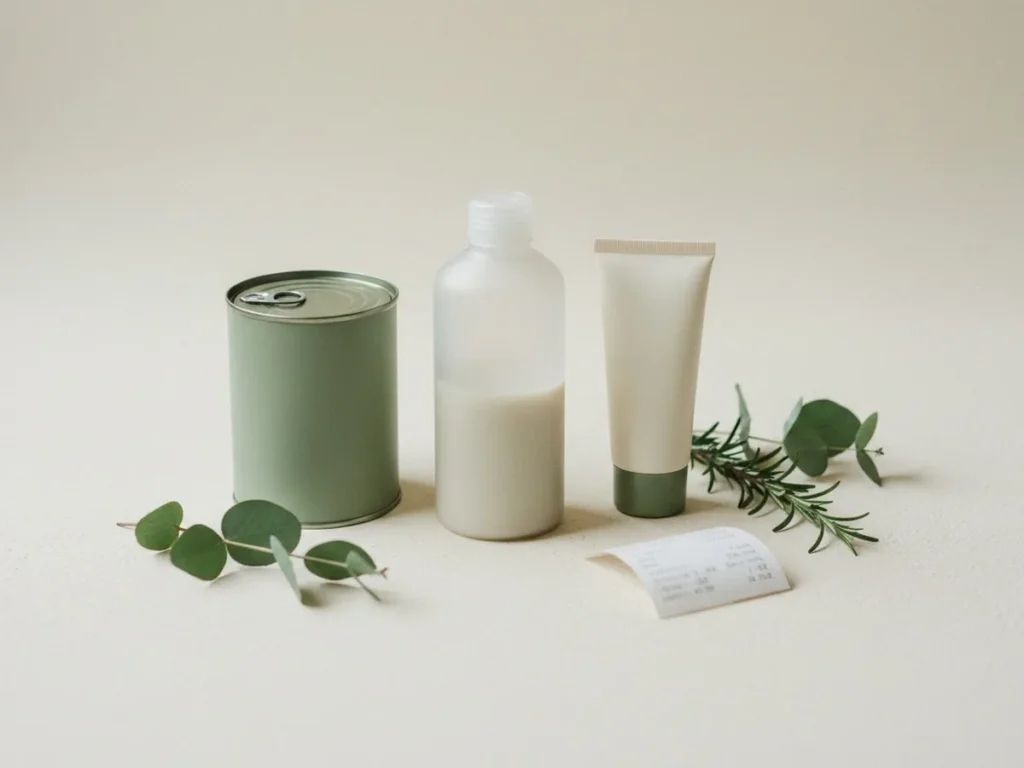
1. BPA (bisphenol A) mimics estrogen and appears in some hard plastics, the linings of food cans, and thermal receipt paper.
2. Dioxins are industrial byproducts that accumulate in animal fats and can affect sperm quality and the immune system.
3. Atrazine is a widely used herbicide that contaminates drinking water and has been shown to disrupt sex hormones in amphibians.
4. Phthalates soften plastic and carry fragrance, and are linked to reproductive effects.
5. Perchlorate is a rocket-fuel component found in some food and water that can interfere with the thyroid.
6. Fire retardants (PBDEs) migrate out of furniture and electronics into household dust.
7. Lead harms the developing brain and disrupts hormone systems.
8. Arsenic in some drinking water can affect hormones including glucocorticoids.
9. Mercury binds hormone-producing cells and is a concern in some fish.
10. PFAS are “forever chemicals” linked to thyroid and other hormonal effects.
11. Organophosphate pesticides can alter thyroid and sex hormones.
12. Glycol ethers are solvents in some paints and cleaning products linked to reduced sperm counts.
Beyond the Dirty Dozen
A few more EDCs come up often enough to add to your radar: parabens (preservatives in cosmetics), triclosan (an antibacterial agent), oxybenzone (a chemical sunscreen filter), and antimony (a catalyst in polyester). See endocrine disruptors in cosmetics and the most common endocrine disruptors.
How to use this list
You do not need to chase all twelve at once. The highest-impact moves cover several at a time: filtering your drinking water cuts atrazine, perchlorate, arsenic, and PFAS together; avoiding plastic food contact cuts BPA and phthalates; choosing fragrance-free products cuts phthalates and many cosmetic EDCs; and eating fresh, lower-fat, organic-where-possible food cuts dioxins and pesticides. See endocrine disruptor foods.
FAQ
What is the Dirty Dozen list of endocrine disruptors?
It is the Environmental Working Group’s list of twelve priority hormone-disrupting chemicals: BPA, dioxins, atrazine, phthalates, perchlorate, fire retardants, lead, arsenic, mercury, PFAS, organophosphate pesticides, and glycol ethers.
Which endocrine disruptor is the most common?
BPA and phthalates are the most widely encountered, because they are in so many plastics, food packaging, and fragranced products. CDC biomonitoring detects them in the urine of the large majority of Americans tested.
Are parabens on the endocrine disruptor list?
Parabens are not part of the original EWG Dirty Dozen, but they are well-known cosmetic preservatives with weak estrogen-mimicking activity, so they are commonly added to expanded EDC lists.
How do I avoid these chemicals?
Target several at once: filter your water, avoid plastic for food and drink, choose fragrance-free and paraben-free personal care, dust and vacuum to reduce flame retardants, and eat fresh, less-packaged food. No single swap covers everything, but a handful covers most.
Are heavy metals really endocrine disruptors?
Yes. Lead, arsenic, and mercury all interfere with hormone systems in addition to their other toxic effects, which is why they appear on the EWG list alongside synthetic chemicals like BPA and phthalates.
The bottom line
The Dirty Dozen is the practical shortlist: twelve chemicals that account for a large share of everyday hormone disruption. You cannot avoid every one, but a few targeted habits, filtered water, less plastic, no fragrance, fresher food, knock out most of them at once. Start with what an endocrine disruptor is if you want the background first.