A HEPA air purifier can help people with allergies and asthma by lowering airborne triggers, but the evidence shows it works as one part of a plan, not a cure. Studies find modest, real reductions in symptoms when HEPA filtration is combined with allergen-source control. The most important rules: choose true HEPA, size it to the room, run it continuously, and never use an ozone-generating purifier, since ozone worsens asthma.
Key takeaways
– HEPA filtration produces meaningful but modest reductions in allergy and asthma symptoms, best alongside source control.
– The AAFA and EPA agree air cleaning helps, but reducing triggers at the source matters more.
– Avoid ozone-generating “ionic” purifiers; ozone is a lung irritant that can worsen asthma.
What the evidence shows
Air purifiers are a reasonable adjunct for allergy and asthma management. A 2024 systematic review and meta-analysis in the journal Indoor Air found that air filtration produced meaningful reductions in both daytime and nighttime allergic rhinitis symptom scores. The effects are real but generally modest, and they are strongest when filtration is combined with other measures rather than used alone. In short: helpful, not miraculous.
How it helps asthma and allergies
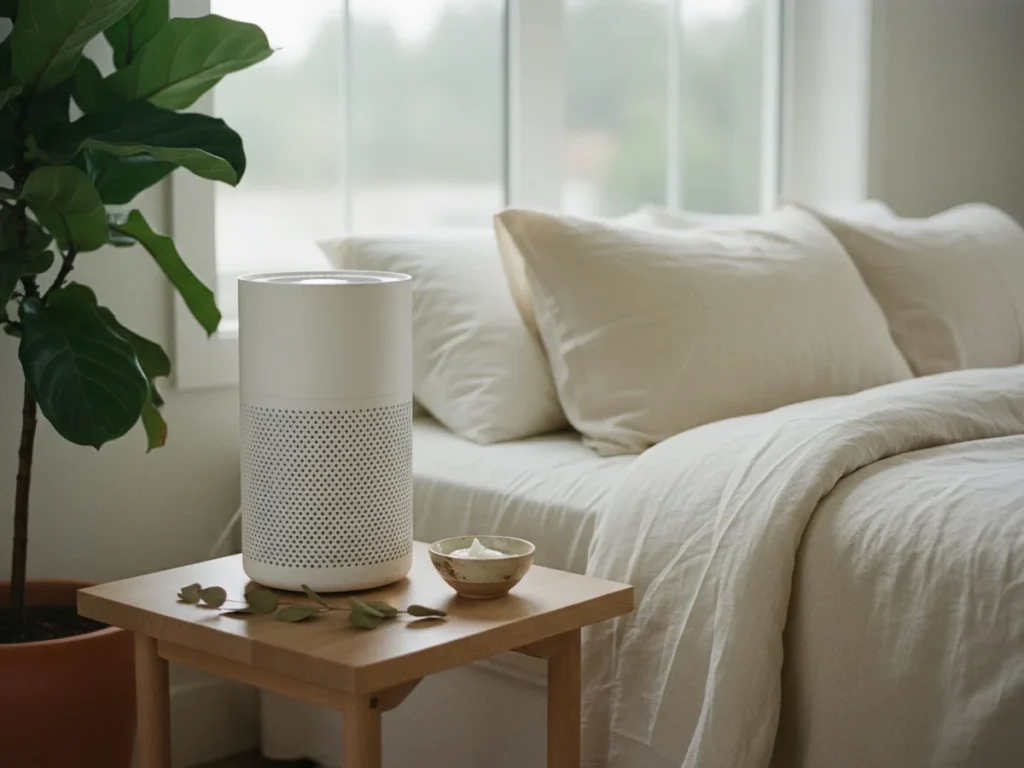
Many asthma and allergy attacks are triggered by airborne particles, pollen, pet dander, dust mite debris, mold spores. A true HEPA filter captures at least 99.97% of particles at 0.3 microns, removing a large share of those triggers from the air. Fewer airborne triggers can mean fewer nighttime symptoms and better sleep, which is why the bedroom is the priority location. See HEPA air purifiers for allergies.
What the experts say
Both the Asthma and Allergy Foundation of America (AAFA) and the EPA make the same balanced point: air purifiers can help reduce indoor triggers, but they cannot eliminate all of them, and removing triggers at the source is the most effective step. The AAFA runs a certified asthma and allergy friendly program that tests purifiers for allergen reduction and for not producing harmful ozone, which is a useful third-party signal when shopping.
The ozone warning
This matters especially for asthma. Some devices marketed as “ionic,” “ionizing,” or “ozone generators” intentionally or incidentally produce ozone, which is a respiratory irritant that can trigger asthma symptoms and inflame airways. Avoid them. Stick to mechanical filtration (true HEPA, ideally with activated carbon), and look for the AAFA certification or a clear “ozone-free” statement.
Using it as part of a plan
An air purifier should sit inside a broader strategy: take prescribed medications, identify and reduce your specific triggers, use allergen-proof bedding covers, control humidity to limit mold and dust mites, vacuum with a HEPA vacuum, and keep pets out of the bedroom if you are pet-allergic. The purifier then handles the airborne fraction these steps cannot fully capture. Always follow your doctor’s asthma action plan; a purifier supplements it. See air purifier vs dehumidifier for mold.
FAQ
Do air purifiers help with asthma?
They can help modestly by removing airborne triggers like pollen, dander, and dust mite debris. Research shows real but moderate symptom reductions, strongest when combined with source control and prescribed treatment. A purifier supplements, rather than replaces, your asthma plan.
What kind of air purifier is best for allergies and asthma?
A true HEPA purifier sized to your room, ideally with an activated carbon filter for odors and VOCs, and certified by the AAFA. Avoid ozone-generating ionic devices, which can worsen asthma.
Are ionizers or ozone purifiers safe for asthma?
No. Ozone is a respiratory irritant that can trigger asthma symptoms and inflame airways. Choose mechanical HEPA filtration and look for an ozone-free or AAFA-certified product.
Will an air purifier replace my asthma medication?
No. It is an adjunct that reduces airborne triggers, not a treatment. Continue your prescribed medications and follow your doctor’s asthma action plan; use the purifier as one supportive layer.
Where should I run an air purifier for asthma?
The bedroom is the priority, since reducing nighttime triggers improves sleep and symptoms. Size the unit to the room and run it continuously on a moderate setting for steady trigger removal.
The bottom line
For allergies and asthma, a true HEPA air purifier delivers real but modest benefit, best as one layer alongside medication, source control, and humidity management. Choose true HEPA, size it right, run it continuously, and steer clear of ozone-producing units. See air purifiers for pollen allergies.