A HEPA air purifier is effective against pollen allergies because pollen grains are large and easily captured, and the real key is keeping outdoor pollen from getting indoors in the first place. Run a true HEPA unit in the bedroom, keep windows closed during pollen season, and you can make your home a low-pollen refuge during the worst weeks of the year. The purifier handles what slips in; closed windows handle the rest.
Key takeaways
– Pollen grains are relatively large (often 10 to 100 microns), so a true HEPA filter captures them easily.
– The biggest win is keeping pollen out: close windows during pollen season and change clothes after being outdoors.
– Run a properly sized HEPA purifier continuously in the bedroom for the most relief.
Why HEPA works so well on pollen
Pollen is one of the easier allergens to filter because the grains are large, commonly tens of microns across, far bigger than the 0.3-micron particles a true HEPA filter is rated to capture at 99.97% efficiency. That means a HEPA purifier removes airborne pollen very effectively once it is circulating indoor air. The challenge with pollen is not filtering it but preventing a constant fresh supply from outside.
Keeping pollen out is half the battle
An air purifier cannot win against an open window during a high-pollen day, because pollen pours in faster than the unit can clear it. During pollen season, keep windows and doors closed, run air conditioning on recirculate, and consider a high-quality filter in your HVAC system. Outdoor pollen also hitchhikes inside on clothes, hair, and pets, so changing clothes and showering after long periods outdoors, and wiping down pets, reduces what you carry in. See HEPA air purifiers for allergies.
Where and how to run it
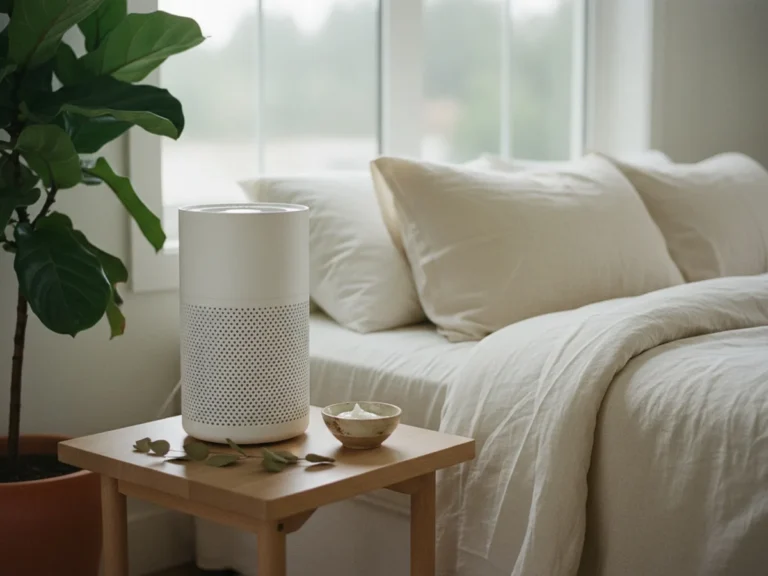
The bedroom is the highest-value location, since hours of low-pollen sleep can meaningfully reduce morning symptoms. Size the purifier to the room (check its clean air delivery rate against the square footage) and run it continuously through pollen season rather than only when symptoms flare, because pollen levels rebuild whenever the unit is off and windows or doors open. Place it where air can circulate, not crammed into a corner.
Timing with the pollen calendar
Pollen comes in waves: trees in spring, grasses in late spring and summer, weeds like ragweed in late summer and fall. Pollen counts are typically highest in the morning and on warm, dry, windy days. Running your purifier continuously through your local season, and being extra careful about closed windows on high-count days, gives the most relief. Many weather services and allergy apps publish daily pollen forecasts you can follow.
Part of a larger routine
The purifier is one layer. Allergist-recommended steps round it out: shower and change clothes after being outside, wash bedding regularly, keep the car windows up with AC on recirculate, and follow your prescribed allergy treatment. Together these keep your total pollen exposure low when counts are high. See air purifiers for allergies and asthma.
FAQ
Do air purifiers help with pollen allergies?
Yes, very effectively. Pollen grains are large and easily captured by a true HEPA filter rated to 99.97% at 0.3 microns. The main requirement is keeping windows closed so the purifier is not fighting a constant inflow of outdoor pollen.
Should I keep windows open with an air purifier during pollen season?
No. Open windows let pollen in faster than a purifier can clear it. During pollen season, keep windows and doors closed and run AC on recirculate, letting the purifier maintain a low-pollen indoor space.
Where should I put an air purifier for pollen?
The bedroom is the priority, since low-pollen sleep reduces morning symptoms. Size it to the room and run it continuously through pollen season rather than only during flare-ups.
What size air purifier do I need for pollen?
Choose one with a clean air delivery rate (CADR) matched to your room’s square footage, so it can cycle the room’s air several times per hour. An undersized unit in a large room will struggle to keep up.
Does a purifier replace allergy medication for pollen?
No. It lowers indoor pollen exposure as one helpful layer, but you should continue prescribed allergy treatment and source-control habits like showering after being outdoors and keeping windows closed on high-count days.
The bottom line
Pollen is easy for a HEPA purifier to capture, so the formula for relief is simple: run a properly sized true HEPA unit continuously in the bedroom and keep windows closed during pollen season so it is not overwhelmed. Combine that with showering off outdoor pollen and your prescribed treatment, and home becomes a refuge during peak weeks. See HEPA air purifiers for allergies.