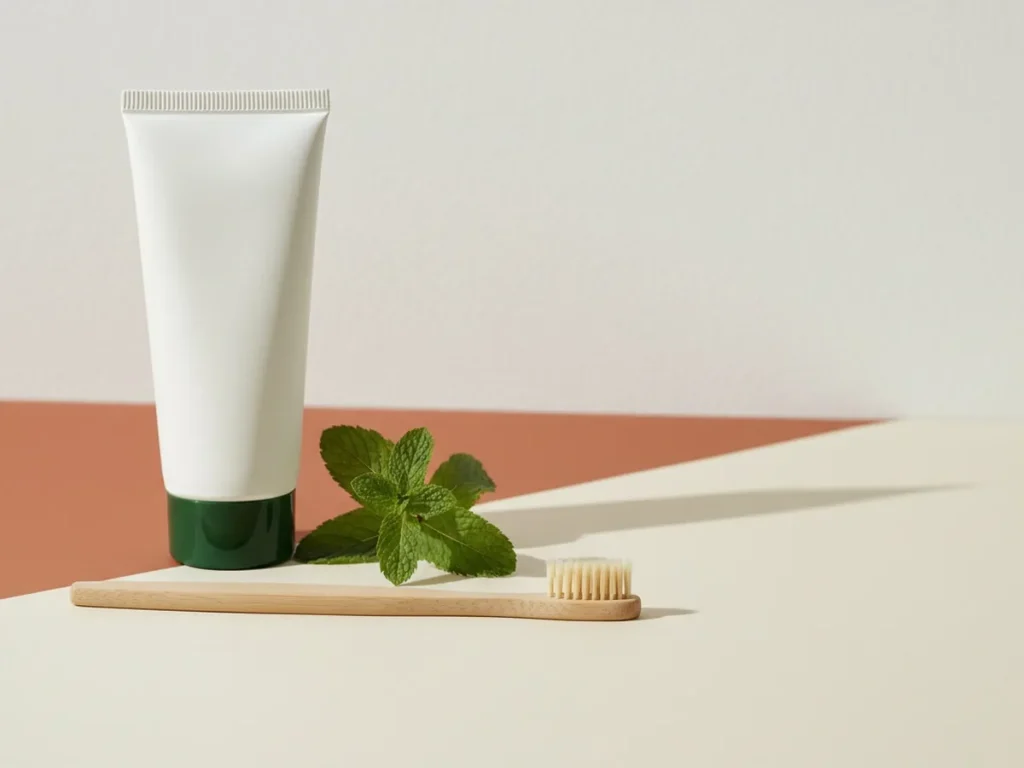
Mostly not anymore, at least in the United States, where plastic microbeads were banned from rinse-off products in 2015 and major brands removed them. Some toothpastes elsewhere, and a few older or specialty formulas, can still contain plastic polymers, so a quick label check is worth it. But for most US shoppers, toothpaste is no longer a meaningful microplastic source.
Key takeaways
– The US Microbead-Free Waters Act of 2015 banned plastic microbeads in rinse-off products like toothpaste.
– Big brands such as Colgate removed microbeads by the end of 2014, ahead of the ban.
– A 2023 review found some toothpastes worldwide still contain microplastics; check the label for plastic polymers.
The microbead story
Toothpastes used to contain tiny plastic microbeads, often as a mild abrasive or simply for decorative color. After public concern about microbeads polluting waterways, the US passed the Microbead-Free Waters Act of 2015, which banned plastic microbeads in rinse-off cosmetics including toothpaste. Several major manufacturers, including Colgate, had already phased them out by the end of 2014. So in the US, the classic plastic-bead problem is largely solved.
What can still be in there
Microbeads are not the only plastic that can appear in toothpaste. A 2023 systematic review concluded that toothpastes, at least in some parts of the world, still contain microplastics (Chengappa et al., 2023), and some formulas use synthetic polymers like polyethylene, PEG compounds, carbomer, or acrylates as binders, thickeners, or abrasives. These are not the banned decorative beads, but they are plastic-derived ingredients. Availability and rules vary by country, so a toothpaste sold outside the US may differ from the same brand at home.
How to check your toothpaste
Scan the ingredient list for plastic-related terms: polyethylene (PE), polypropylene (PP), polyethylene terephthalate (PET), nylon, acrylates copolymer, carbomer, and PEG compounds. If you want to avoid them, simple formulas, hydrated-silica whitening toothpastes, or brands that label themselves microplastic-free are easy alternatives. Honestly, though, toothpaste is a minor exposure next to water, air, and food, so do not lose sleep over it; see how to avoid microplastics for where it counts.
FAQ
Does toothpaste still contain microplastics?
In the US, plastic microbeads were banned in 2015 and major brands removed them, so most toothpaste no longer contains them. Some toothpastes worldwide, and certain formulas, still use synthetic plastic polymers, so checking the label is worthwhile.
Which toothpaste ingredients are plastic?
Look for polyethylene (PE), polypropylene (PP), polyethylene terephthalate (PET), nylon, acrylates copolymer, carbomer, and PEG compounds. These are plastic-derived ingredients used as abrasives, binders, or thickeners, distinct from the banned decorative microbeads.
Does Colgate or Crest have microplastics?
Major US brands including Colgate stopped using plastic microbeads by the end of 2014, ahead of the 2015 ban. Individual formulas can still contain other synthetic polymers, so check the ingredient list of the specific product, especially whitening varieties.
Are microplastics in toothpaste harmful?
The bigger concern with toothpaste microbeads was environmental, since they washed into waterways. For personal exposure, toothpaste is a minor source you mostly spit out. The 2015 ban addressed the worst of it, and other sources matter far more.
What toothpaste has no microplastics?
Simple formulas without synthetic polymers, hydrated-silica whitening toothpastes, and brands that explicitly label themselves microplastic-free are reliable choices. Reading the ingredient list for the plastic terms above is the surest way to confirm.
The bottom line
The plastic-microbead era of toothpaste is largely over in the US thanks to the 2015 ban, though some formulas and overseas products still use synthetic polymers. A quick label check settles it, but toothpaste is a small source, so save your effort for water, air, and food.