Yes, most fish and seafood now contain microplastics, but for most people seafood is not the largest source of exposure, and the evidence does not support giving it up. A 2024 study found microplastics in 99 percent of seafood samples tested. The particles concentrate in the gut and gills, with smaller amounts in the muscle people eat, and filter-feeders like shrimp and shellfish carry the most.
Key takeaways
– A 2024 Portland State study found microplastics in 180 of 182 seafood samples (99 percent).
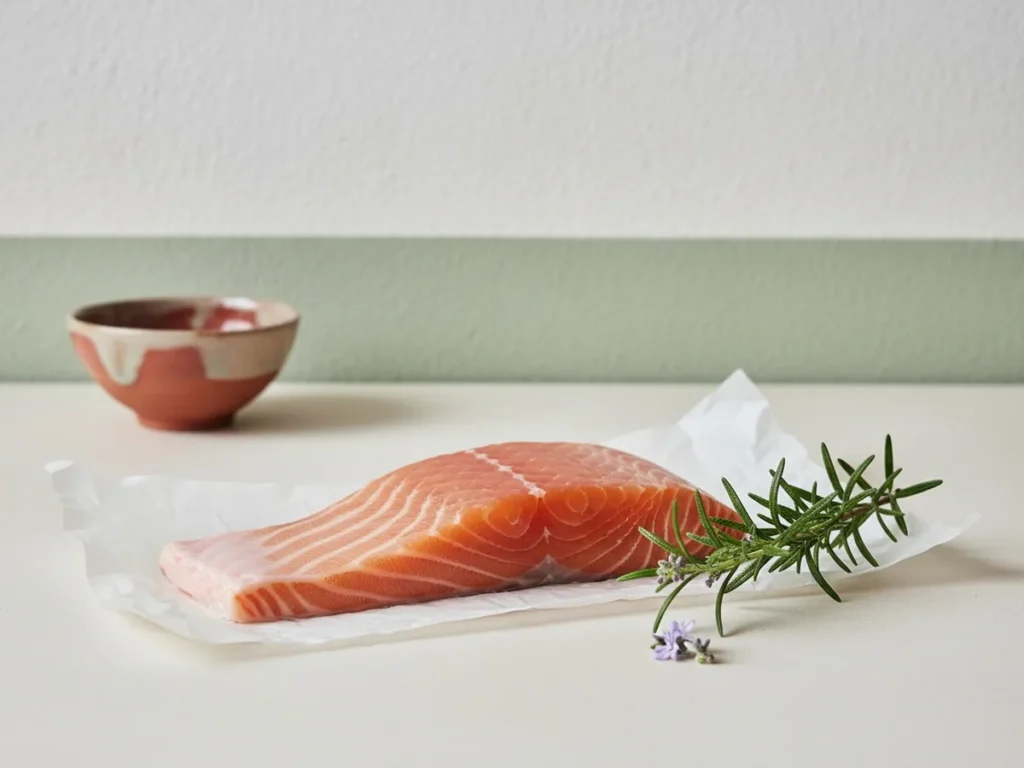
– Pink shrimp and bivalves (oysters, mussels) carry the most; larger fin fish like salmon carry less.
– Most exposure comes from water, air, and packaging, not seafood, so the balanced advice is to keep eating fish, not to quit.
What the research shows
Scientists at Portland State University and Oregon State University sampled six species caught in Oregon waters: black rockfish, lingcod, Chinook salmon, Pacific herring, Pacific lamprey, and pink shrimp. They found microplastics or other anthropogenic particles in 180 of 182 samples, about 99 percent, and published it in Frontiers in Toxicology in late 2024 (Brander et al., 2024). Earlier reviews found microplastics in fish guts worldwide, and a New Zealand EPA survey found plastic in 97 percent of fish species sampled.
Which seafood has the most
It tracks with how the animal feeds. Filter-feeders that strain water, like pink shrimp, oysters, and mussels, had the highest concentrations, and you also eat those whole, including the digestive tract where particles concentrate. Larger fin fish like Chinook salmon had the lowest, with rockfish and lingcod in between. Eating fillets rather than whole small fish or bivalves lowers the amount you take in.
Should you stop eating fish?
The balanced answer is no. A research review summarized by Michigan State University concluded that microplastics in seafood are not the primary source of human exposure, and that avoiding seafood over plastic fears could do more harm than good given its nutritional value. Most microplastic intake comes from drinking water, airborne dust, and food packaging rather than fish. So the sensible move is to keep eating fish for its real benefits while trimming the bigger sources elsewhere. See how to avoid microplastics.
How to lower it if you want to
Favor fin fish fillets over whole small fish and bivalves, since the gut holds the most particles. Choose wild-caught where practical, as some studies find farmed fish higher. And remember the larger levers: filtered water over bottled, and no heating food in plastic, move the needle more than changing your seafood.
FAQ
Should I stop eating fish because of microplastics?
No. Reviews of the evidence find seafood is not the main source of human microplastic exposure, and its nutritional benefits outweigh the plastic concern for most people. Keep eating fish and focus on bigger sources like water and packaging.
Which fish are highest in microplastics?
Filter-feeders carry the most: pink shrimp, oysters, mussels, and clams, partly because you eat them whole including the gut. Larger fin fish like salmon test lower. Eating fillets rather than whole small seafood reduces intake.
Does cooking remove microplastics from fish?
No. Cooking does not break down or remove microplastics already in the tissue. Choosing lower-plastic species and eating fillets rather than whole fish are more effective than any cooking method.
Is wild or farmed fish better for microplastics?
Some studies find farmed fish carry more microplastics than wild-caught, likely from feed and enclosures, though results vary by species and region. Wild-caught fin fish fillets are a reasonable lower-plastic choice.
Where do the microplastics in fish end up in my body?
Most particles sit in the fish’s gut and gills, which you usually do not eat in fillets. A smaller amount reaches the muscle. Once eaten, your body passes a share through digestion, the same as other dietary microplastics.
The bottom line
Nearly all seafood now contains some microplastics, but it is a minor source compared with water, air, and packaging. Keep eating fish, lean toward fin fish fillets over whole bivalves, and put your effort into the bigger sources.