Yes, single-use plastic coffee pods release microplastics into your cup, driven by hot, pressurized water passing through plastic. The pod, the machine’s plastic parts, and its water tank all contribute, and older machines shed more. The health research is still emerging, but the fix is simple and cheap: a refillable steel pod or a plastic-free brewing method.
Key takeaways
– Hot water plus pressure through a plastic pod releases micro and nanoplastics into the coffee.
– The machine itself adds particles too; coffee out can carry more microplastics than the water poured in.
– A reusable stainless steel pod or a pour-over, French press, or Moka pot removes the plastic from the brew.
Where the plastic comes from
K-cups and most coffee pods are made of plastic, and brewing forces hot water through them under pressure, which is exactly the condition that makes plastic shed. A 2024 study found single-use plastic cups transfer microplastics into hot beverages (Akbulut et al., 2024), and reporting on single-serve brewers noted the coffee leaving the machine can contain noticeably more microplastic than the water you put in the tank, since the machine’s plastic components and reservoir also shed. Older, heavily used machines release more because the plastic degrades over time.
How much, and is it harmful?
Exact particle counts vary by pod, machine, and water temperature, and the research on coffee pods specifically is still developing, so be skeptical of precise scary numbers. What is well established is that heat plus plastic equals more shedding. The broader health picture for ingested microplastics is still being studied, so the honest framing is that pods are an avoidable source worth cutting, not a proven danger.
How to brew with less plastic
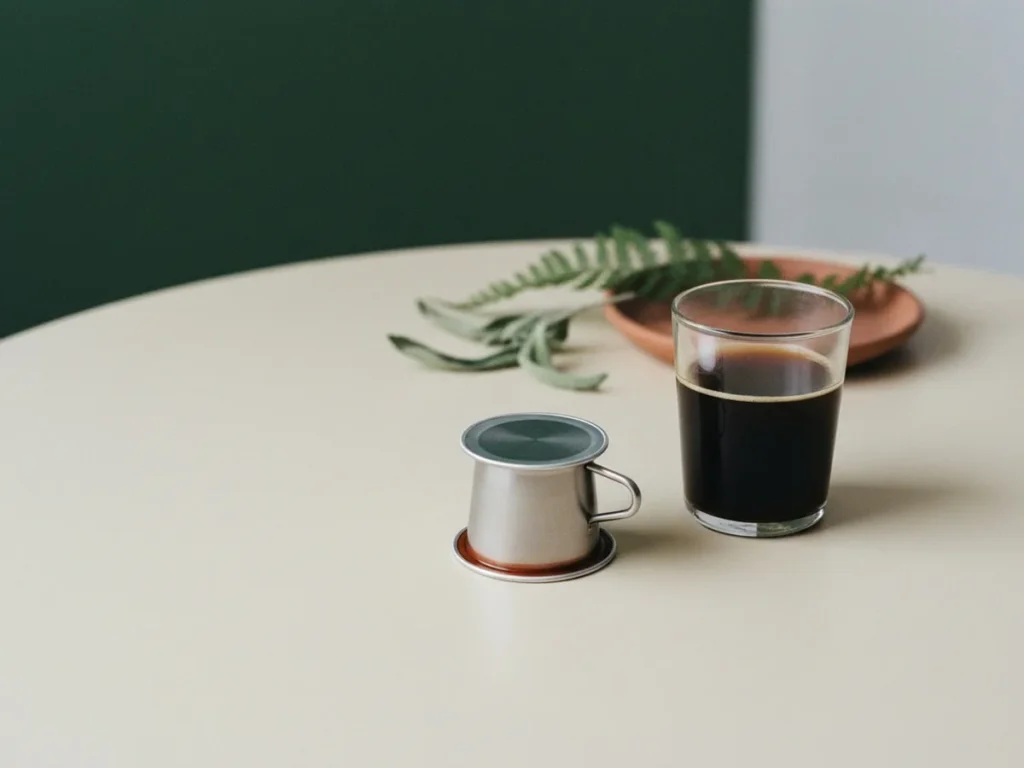
Use a refillable stainless steel pod with your own ground coffee, which keeps your machine but removes the single-use plastic from the hot zone. Or change the method: a pour-over with an unbleached paper filter, a stainless steel French press, or a metal Moka pot all brew without plastic touching hot water. Compostable plant-based pods are better than plastic for the environment, but they can still involve plastic-lined components, so a steel pod or plastic-free brewer is the cleaner choice. This is the same principle as not heating food in plastic.
FAQ
Do K-cups release microplastics into coffee?
Yes. Hot, pressurized water passing through the plastic pod releases micro and nanoplastics into the coffee, and the machine’s plastic parts and water tank add more. The amount varies, but heat plus plastic reliably increases shedding.
Which coffee pods do not have microplastics?
A refillable stainless steel pod filled with your own coffee avoids plastic in the brewing zone entirely. Fully compostable plant-based pods reduce plastic but can still include plastic-lined parts, so steel is the most reliable plastic-free option.
Are K-cups bad for your health?
The research on coffee-pod microplastics specifically is still emerging, so there is no proven health verdict. Pods are an easily avoidable source of plastic in a hot drink, which is reason enough to switch, but not a confirmed danger.
Does the coffee machine itself add microplastics?
Yes. Single-serve machines have plastic internal components and often a plastic water reservoir, and these shed particles into the hot water. Reporting on these brewers found the coffee can carry more microplastics than the water poured in, and older machines shed more.
What is the best plastic-free way to make coffee?
A pour-over with a paper filter, a stainless steel French press, or a metal Moka pot all brew without plastic contacting hot water. If you keep a pod machine, a reusable steel pod is the simplest plastic-free upgrade.
The bottom line
Plastic pods plus hot, pressurized water mean microplastics in your cup, with the machine adding more over time. Swap to a refillable steel pod or a plastic-free brewer and you remove the source for a few dollars, no need to give up your morning coffee.