
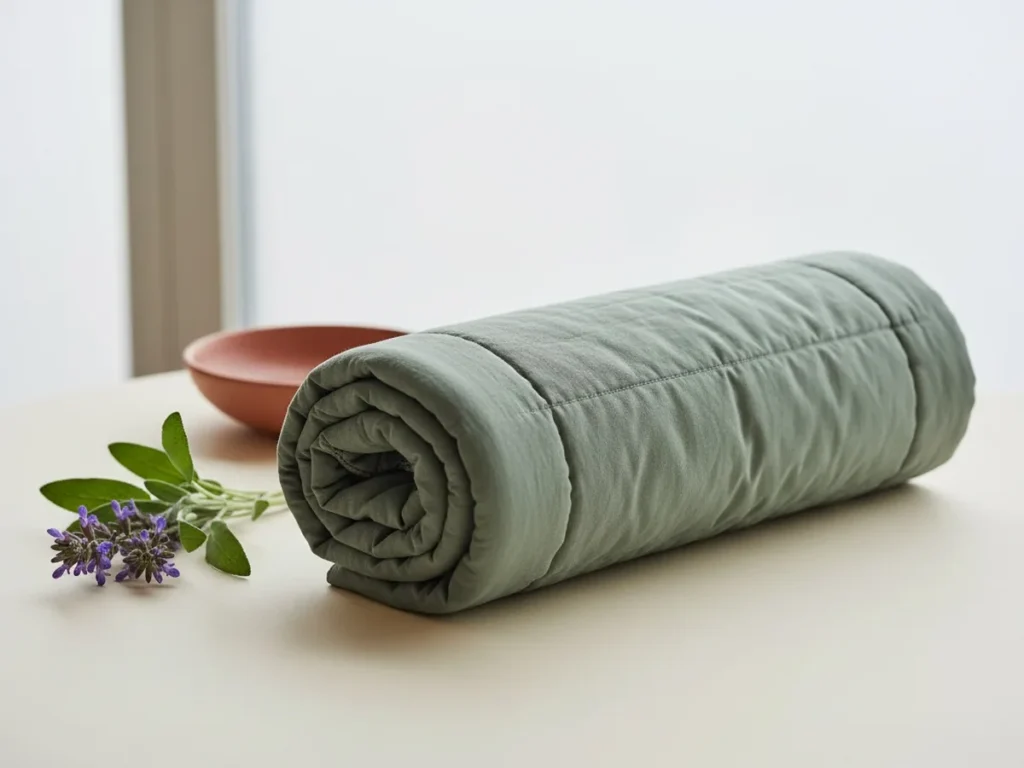
PFAS often appear in sleeping bags through the durable water repellent (DWR) finish on the shell fabric and the water-repellent coating on down insulation, and sometimes in the shell fabric itself. These “forever chemicals” are used because they repel water, oil, and dirt very effectively, keeping insulation drier and the bag lighter. Direct exposure from a sleeping bag is low, but PFAS persist in the environment, and the outdoor industry is now moving quickly toward PFAS-free finishes.
Key takeaways
– PFAS in sleeping bags usually live in the DWR shell finish and the water-repellent treatment on down, not deep inside the fill.
– Everyday exposure from a bag is low, but PFAS are persistent and the concern is more environmental and cumulative than acute.
– Major outdoor brands and retailers, plus California and New York laws, are phasing PFAS out, so PFAS-free bags are now widely available.
What PFAS are and why they end up in sleeping bags
PFAS stands for per- and polyfluoroalkyl substances, a family of thousands of synthetic chemicals built around carbon-fluorine bonds. Those bonds are among the strongest in chemistry, which is exactly why PFAS resist water, oil, heat, and breakdown. The same property that makes them useful is what makes them persistent in the environment. For a fuller primer, see our guide to what PFAS are.
Sleeping bags need to shed moisture. Tent condensation, damp ground, and morning dew can soak into a shell or into down clusters, and wet insulation loses much of its warmth. To fight this, makers have long used PFAS-based durable water repellent finishes. According to the U.S. EPA, some PFAS are exceptionally good at repelling water, dirt, and oil, which is why they became standard in DWR across outdoor gear. A PFAS-based DWR raises the surface tension of the fabric enough that water beads on top and rolls off instead of soaking in.
Where PFAS sit in a typical bag
PFAS are not usually blended through the whole product. They tend to concentrate in a few specific places where water resistance matters most. The table below shows the common spots, why they are treated, and the PFAS-free alternative brands now use.
| Component | Why it is treated | PFAS-free alternative |
|---|---|---|
| Outer shell fabric (DWR finish) | Beads off dew, condensation, and light splashes so the outside stays dry | C0 (fluorine-free) DWR, often silicone- or polyurethane-based |
| Down insulation (hydrophobic treatment) | Helps down clusters resist moisture and keep loft when damp | PFC-free hydrophobic down finishes |
| Water-resistant shell membranes or coatings | Adds a moisture barrier on some four-season or waterproof-shell bags | PFAS-free membranes and coatings |
| Stuff sack or dry-bag lining (on some models) | Repels water so the packed bag stays dry | Fluorine-free coated or laminated fabrics |
Note that a treatment being “water-repellent” does not automatically mean it contains PFAS. Many modern bags achieve the same beading with fluorine-free chemistry, which is why the label and the maker’s materials page matter more than the feel of the fabric.
How much of a concern is this, really?
The honest answer is that day-to-day exposure from sleeping in a treated bag is low. You are not eating or drinking the finish, and a bag is not in constant skin contact the way clothing is. The larger issue is that PFAS are persistent. The EPA notes that because of their widespread use and their resistance to breaking down, many PFAS are now found in the blood of people and animals worldwide, and the agency links certain PFAS to health effects including elevated cholesterol, immune and developmental effects, and increased risk of some cancers.
For gear specifically, the environmental angle carries the most weight. Research on PFAS-treated clothing during normal use has found that these finishes can shed over a product’s life through washing, wear, and disposal, adding to the broader contamination load. So the practical framing for a sleeping bag is less “this will harm me tonight” and more “choosing PFAS-free keeps one more persistent chemical out of the supply chain and the environment.” The same logic applies to your other gear, from PFAS in tents to PFAS in clothes.
The industry is already moving away from PFAS
The good news is that you no longer have to hunt hard for a PFAS-free bag. Several of the outdoor industry’s larger players have made public commitments, and they are worth citing precisely.
Patagonia is the longest-running example. The company began researching non-PFOA DWR finishes in 2006, launched its first products with DWR made without intentionally added PFAS in fall 2019, and states that for the Spring 2025 season and onward all new styles are made without intentionally added PFAS chemistry.
Big Agnes says it started working to eliminate PFAS in 2019 with a shift to PFC-free, C0 water-repellent down, certified its first PFAS-free product (its Air Chamber pads) in 2023, and committed to “no intentionally added PFAS” in its products beginning in 2025. NEMO Equipment reports that it transitioned its sleeping bag DWRs to PFAS-free chemistry early, launched its first PFAS-free tents in 2022, and completed its phase-out across the line in spring 2025, using C0 (fluorine-free) chemistry.
Retailers are pushing too. In February 2024, REI updated its Product Impact Standards to require its 1,000-plus brand partners to eliminate PFAS. Under that policy, cookware and textiles took effect in fall 2024, with the remaining textile categories following by 2026. Because REI sets rules for what it will stock, that standard nudges the whole supply chain.
Regulation is closing the gap as well. California’s AB 1817 bans the sale of new textile articles with intentionally added PFAS, effective January 1, 2025, with a later deadline of January 1, 2028 for outdoor apparel designed for severe wet conditions. New York’s apparel law took effect on the same January 1, 2025 date, with its own 2028 timeline for severe-wet-weather outdoor apparel. These laws target textiles and apparel rather than sleeping bags by name, but they are reshaping the fabrics and finishes suppliers offer, which reaches gear too.
How to choose a PFAS-free sleeping bag
A few checks go a long way. Read the product’s materials or sustainability page and look for “PFAS-free,” “PFC-free,” or “C0 DWR.” C0 refers to fluorine-free chemistry, so it is not classified as PFAS. Be cautious with older or deeply discounted stock, since inventory made before a brand’s phase-out date may still carry legacy finishes. And when a listing is vague, ask the maker directly whether both the shell DWR and any down treatment are PFAS-free, since a bag can be free in one area and not the other.
You do not need to throw out a bag you already own. The exposure risk from continued use is low, and replacing functional gear early has its own environmental cost. The better move is to make your next purchase PFAS-free and to care for what you have so it lasts.
Re-waterproofing safely
Over time a DWR finish wears down and the shell starts to “wet out,” soaking through instead of beading. You can restore water repellency without reaching for a PFAS product. Choose a wash-in or spray-on treatment that is clearly labeled PFC-free or PFAS-free, which most major aftercare brands now offer. Clean the bag first following the manufacturer’s instructions, apply the treatment evenly, and where the care label allows, use gentle heat from a dryer or a warm iron on low to help the finish bond. Good ventilation matters when spraying. For a wider approach to reducing exposure across your home and gear, see our guide on how to avoid PFAS.
FAQ
Do all sleeping bags contain PFAS?
No. Many current bags use fluorine-free C0 DWR and PFC-free down treatments. PFAS are more likely in older stock or budget bags that have not been updated, so check the maker’s materials page or ask directly.
Is it dangerous to sleep in a bag with a PFAS finish?
Everyday exposure from sleeping in a treated bag is low, since you are not ingesting the finish and contact is limited. The bigger concern with PFAS is environmental persistence and cumulative exposure across many products, not a single night’s use.
What does “C0 DWR” mean on a sleeping bag?
C0 refers to a durable water repellent made without carbon-fluorine bonds, so it is not classified as PFAS. These finishes, often silicone- or polyurethane-based, are the standard fluorine-free replacement across the outdoor industry.
Which brands make PFAS-free sleeping bags?
Patagonia, Big Agnes, and NEMO Equipment have all publicly committed to eliminating intentionally added PFAS, with most reaching that goal by their 2025 seasons. Always confirm a specific model, since timelines can vary by product line and stock age.
Can I re-waterproof a sleeping bag without PFAS?
Yes. Use a wash-in or spray-on treatment labeled PFC-free or PFAS-free, clean the bag first, apply it evenly, and add gentle heat if the care label allows. Most major gear-care brands now sell fluorine-free options.