
Blog
Know what is actually in your stuff, graded on the evidence
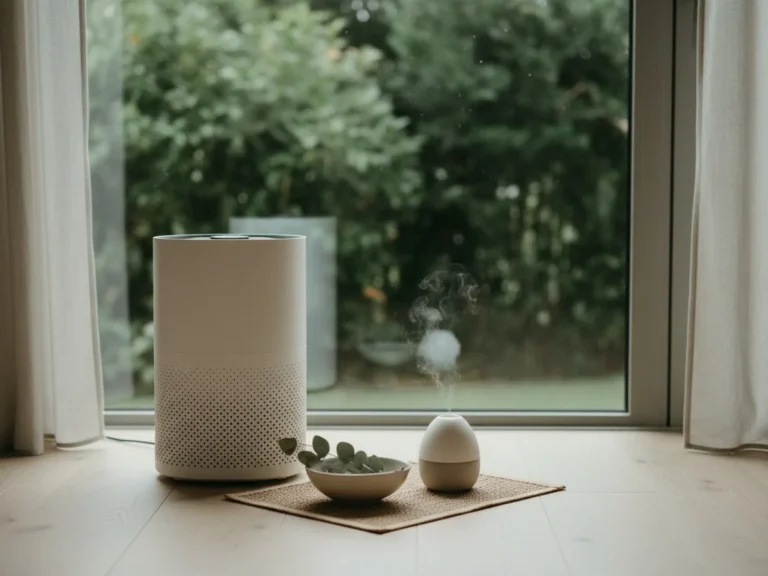
Air Purifier for Pollen Allergies: How to Get Relief
Pollen is large and easy for HEPA to capture.
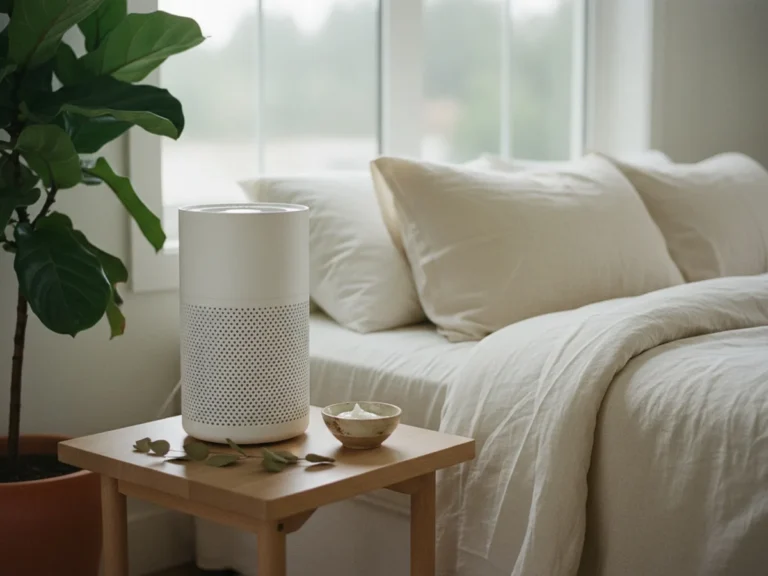
Air Purifier for Allergies and Asthma: What the Evidence Says
HEPA filtration gives real but modest symptom relief as part of a plan.
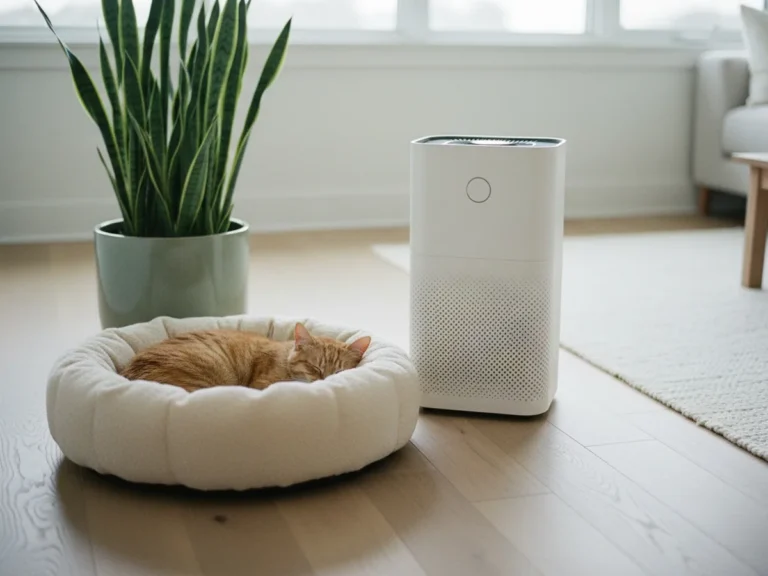
Air Purifier for Pet Allergies: What to Know
HEPA captures airborne pet dander, the real trigger, and carbon handles odor. How to combine a purifier with source control.
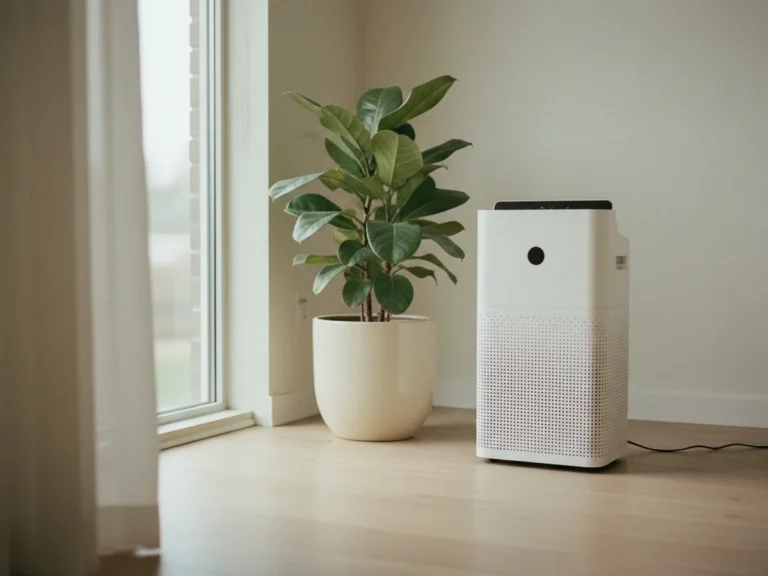
Does an Air Purifier Help With Dust?
A HEPA purifier reduces airborne dust and slows surface buildup, but cannot remove settled dust. What to realistically expect.
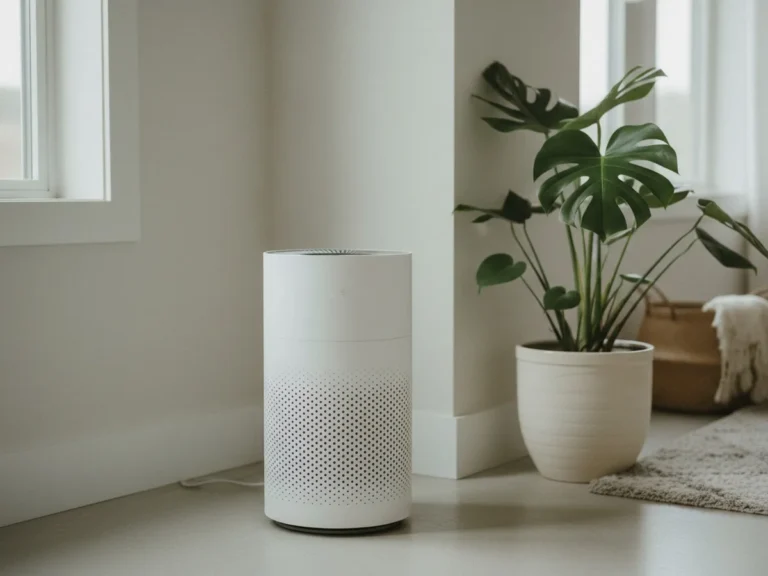
HEPA Air Purifier for Allergies: Does It Work?
True HEPA captures 99.97% of particles at 0.3 microns, including pollen, dander, and mold spores. How to size, place, and run one right.
Does ZeroWater Remove Microplastics?
ZeroWater is certified for TDS, lead, and PFOA/PFOS, but current pitchers are not certified for microplastics. The honest answer.
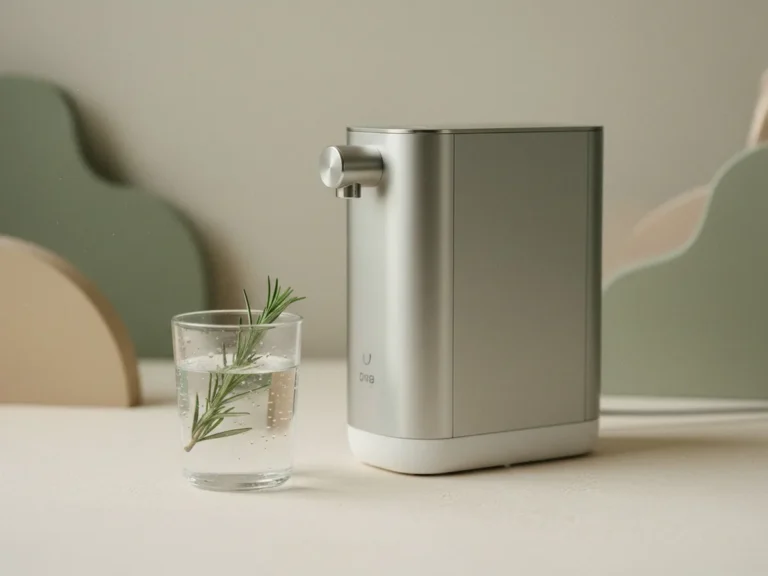
Reverse Osmosis for Microplastics: The Most Thorough Filter
RO removes about 99% of microplastics plus PFAS, lead, and fluoride. How it works, the trade-offs, and what to look for (NSF 58).
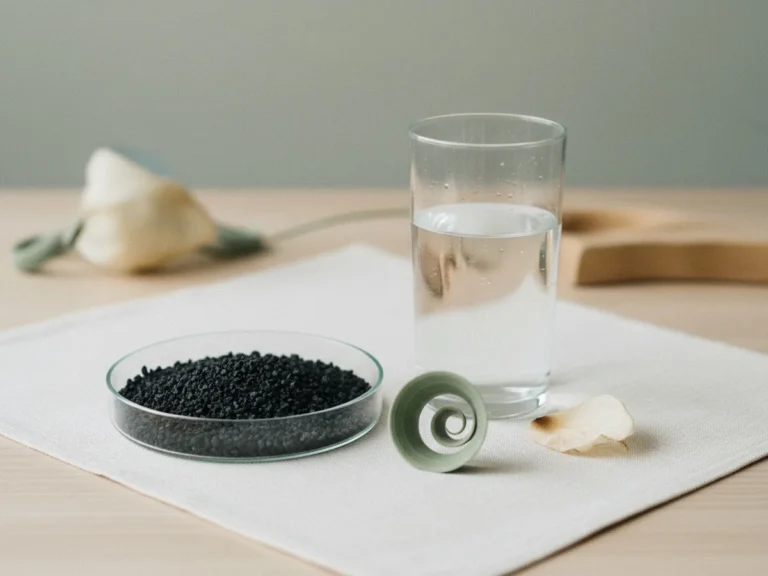
Activated Carbon Water Filter: What It Removes (and Doesn’t)
Carbon filters excel at chlorine, taste, and VOCs but miss fluoride and dissolved solids. NSF 42 vs 53, and when carbon is enough.
Best Water Filter for Microplastics: What Actually Works
Reverse osmosis and NSF/ANSI 401 filters remove the most microplastics. How to choose by certification, not marketing claims.
Is Perfume an Endocrine Disruptor?
The concern with perfume is hidden phthalates used to carry scent, not the aroma itself.