
Topic
Clean Water and Air at Home: What to Filter For, and How to Choose
Clear, evidence-graded answers on the products and ingredients people ask about.
Water filters and air purifiers are the two highest-impact upgrades for a lower-tox home. The catch is that the right one depends entirely on what you are trying to remove. This is the plain-English guide: what to filter for, how the options compare, and how to choose, with links to our specific picks.
Key takeaways
– Filter for what is actually in your water. Lead, PFAS, chlorine, and microplastics call for different filters. Start with your local water report.
– Reverse osmosis removes the widest range, including PFAS and microplastics. Carbon blocks handle chlorine, taste, and some contaminants for less money.
– Look for NSF certification for the specific contaminant you care about, not just “NSF certified” in general.
– For air, HEPA plus activated carbon covers allergens, mold spores, and many odors and VOCs.
– Match the unit to your room or household size, an undersized purifier does little.
Water: filter for what is actually there
The single most useful step is to find out what is in your water. In the US, your utility publishes an annual Consumer Confidence Report, and the EPA sets the legal limits. Well water needs its own test. Then match the filter to the problem.
| You want to remove | Best filter type | Notes |
|---|---|---|
| Chlorine, taste, odor | Carbon (pitcher or faucet) | Cheapest, easy, good first step |
| Lead | Carbon block or RO certified for lead | Check the NSF/ANSI 53 certification |
| PFAS (forever chemicals) | Reverse osmosis or certified activated carbon | RO is the most reliable; see our PFAS guide |
| Microplastics | Reverse osmosis or fine carbon block | RO removes the vast majority |
| Hardness (scale) | Water softener (separate from filtering) | Does not remove health contaminants |
The filter types, compared
There is no single best water filter for home. The right one depends on your water and your budget. Here is how the main options stack up.
- Pitcher and faucet filters: cheapest, no install, mostly carbon. Good for taste and chlorine, limited for lead or PFAS unless specifically certified.
- Under-sink carbon: higher capacity, better flow, can be certified for lead and more.
- Reverse osmosis (under-sink): removes the widest range including PFAS and microplastics. Wastes some water and strips minerals, which is why RO water can taste flat. A remineralizing stage fixes that.
- Whole-house: treats every tap, best for chlorine and sediment across the home. For drinking-water contaminants like PFAS, pair it with an RO unit at the kitchen sink.
For the contaminant-specific picks, see our guides, starting with the best water filter for PFAS.
Air: what a purifier can and cannot do
A good air purifier helps with allergens, mold spores, dust, smoke, and many odors. It does not fix the source of mold, so deal with moisture first. The combination that works is HEPA (captures fine particles, including most mold spores and allergens) plus activated carbon (handles odors and many VOCs).
Two rules of thumb:
– Size it to the room. Check the unit’s coverage rating against your room size. An undersized purifier running on low does little.
– HEPA for particles, carbon for smells and gases. If you mainly want odor or chemical control, do not rely on HEPA alone.
Our specific guides cover the common cases: an air purifier for mold and an air purifier for cat allergies.
Answers on specific products
- Best water filter for PFAS
- Air purifier for mold
- Air purifier for cat allergies
Related hubs: Endocrine disruptors, Microplastics, and PFAS.
FAQ
Which water filter removes the most contaminants?
Reverse osmosis removes the widest range, including PFAS, microplastics, lead, and many dissolved chemicals. The tradeoffs are some water waste and stripped minerals, which a remineralizing stage restores. For taste and chlorine only, a good carbon filter is cheaper and enough.
Which filter is best for drinking water at home?
For most homes, an under-sink carbon block certified for your specific concerns, or a reverse osmosis system if you want the broadest removal. Start from your water report, then pick the filter certified (NSF/ANSI) for the contaminant you actually have.
Why does reverse osmosis water taste flat, and is it healthy?
RO strips dissolved minerals along with contaminants, which changes the taste. It is safe to drink, and you get minerals from food, not water. If you prefer the taste, choose an RO system with a remineralizing filter stage.
What is the healthiest water filter?
There is no single healthiest filter, only the one that removes what is in your water. The “healthiest” choice is the certified filter matched to your actual contaminants, sized and maintained properly, rather than the most expensive or most marketed unit.
Written by Luc Dossis, founder of Toxlens. Reviewed 2026-06-10. See how we grade the evidence. Some links may be affiliate links, which never change our picks. This is exposure-reduction information, not medical advice.
In this topic
Articles on Clean Water and Air at Home: What to Filter For, and How to Choose
Air Purifier or Dehumidifier for Mold: Which Do You Need?
A dehumidifier removes the moisture mold needs; a HEPA purifier clears spores. Why an active mold problem usually needs both.
Air Purifier for Pollen Allergies: How to Get Relief
Pollen is large and easy for HEPA to capture.
Air Purifier for Allergies and Asthma: What the Evidence Says
HEPA filtration gives real but modest symptom relief as part of a plan.
Air Purifier for Pet Allergies: What to Know
HEPA captures airborne pet dander, the real trigger, and carbon handles odor. How to combine a purifier with source control.
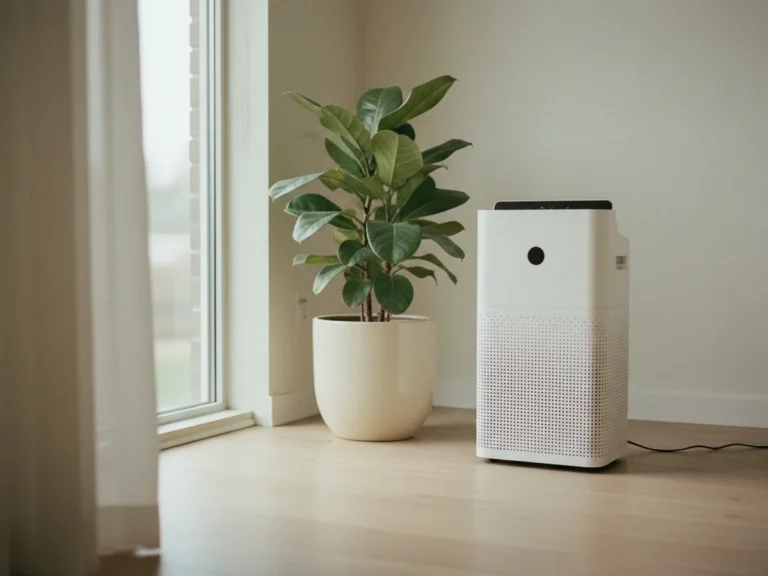
Does an Air Purifier Help With Dust?
A HEPA purifier reduces airborne dust and slows surface buildup, but cannot remove settled dust. What to realistically expect.
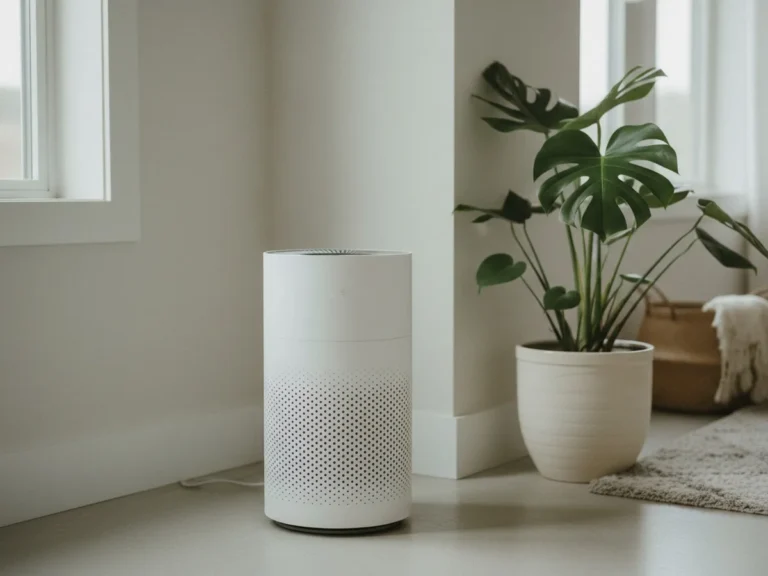
HEPA Air Purifier for Allergies: Does It Work?
True HEPA captures 99.97% of particles at 0.3 microns, including pollen, dander, and mold spores. How to size, place, and run one right.
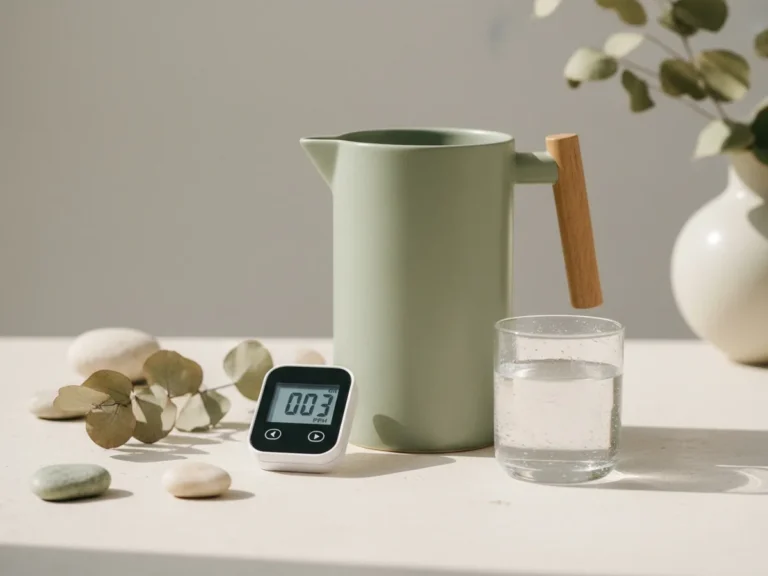
Does ZeroWater Remove Microplastics?
ZeroWater is certified for TDS, lead, and PFOA/PFOS, but current pitchers are not certified for microplastics. The honest answer.
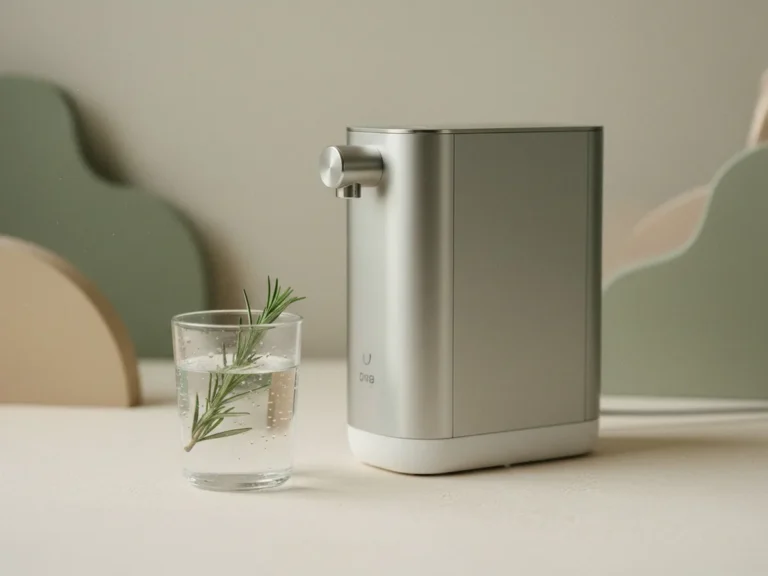
Reverse Osmosis for Microplastics: The Most Thorough Filter
RO removes about 99% of microplastics plus PFAS, lead, and fluoride. How it works, the trade-offs, and what to look for (NSF 58).
Activated Carbon Water Filter: What It Removes (and Doesn’t)
Carbon filters excel at chlorine, taste, and VOCs but miss fluoride and dissolved solids. NSF 42 vs 53, and when carbon is enough.